Updated July 26, 2026
No user survey ever concluded that what Google Finance needed was a chat box. No thread of investors begged for AI summaries above the price. The old page did its job so well that most people never thought about it, which is the highest compliment an interface can earn.
So why change it? The honest answer has two layers: the official one, and the one anybody who has watched big tech products for a decade will recognize.
The official reason: AI everywhere
Google has been rebuilding every flagship product around AI: Search, Gmail, Photos, Maps. Finance was simply next in line. From the August 2025 test to the July 2026 rollout, the messaging never claimed users had asked for this. It described a strategy. Whether Finance users wanted an AI layer was not the question being answered.
The unofficial reasons: incentives, not users
Only Google knows its own org chart. But former employees have described the pattern openly for years: big companies reward launches, not maintenance. Shipping a redesign is a promotion case. Keeping a twenty-year-old page fast and correct is invisible. Add company-wide AI adoption targets and engagement KPIs, and a product that quietly served its users becomes a problem to solve rather than a success to protect.
Users felt this dynamic long before anyone named it. When an earlier Google Finance revamp removed portfolios, the top complaint was not about any single feature. It was that the whole exercise felt like change for the sake of change. This is our view of what happened here too, and the redesign backlash suggests millions of users share it.
It was just perfect. That was the problem
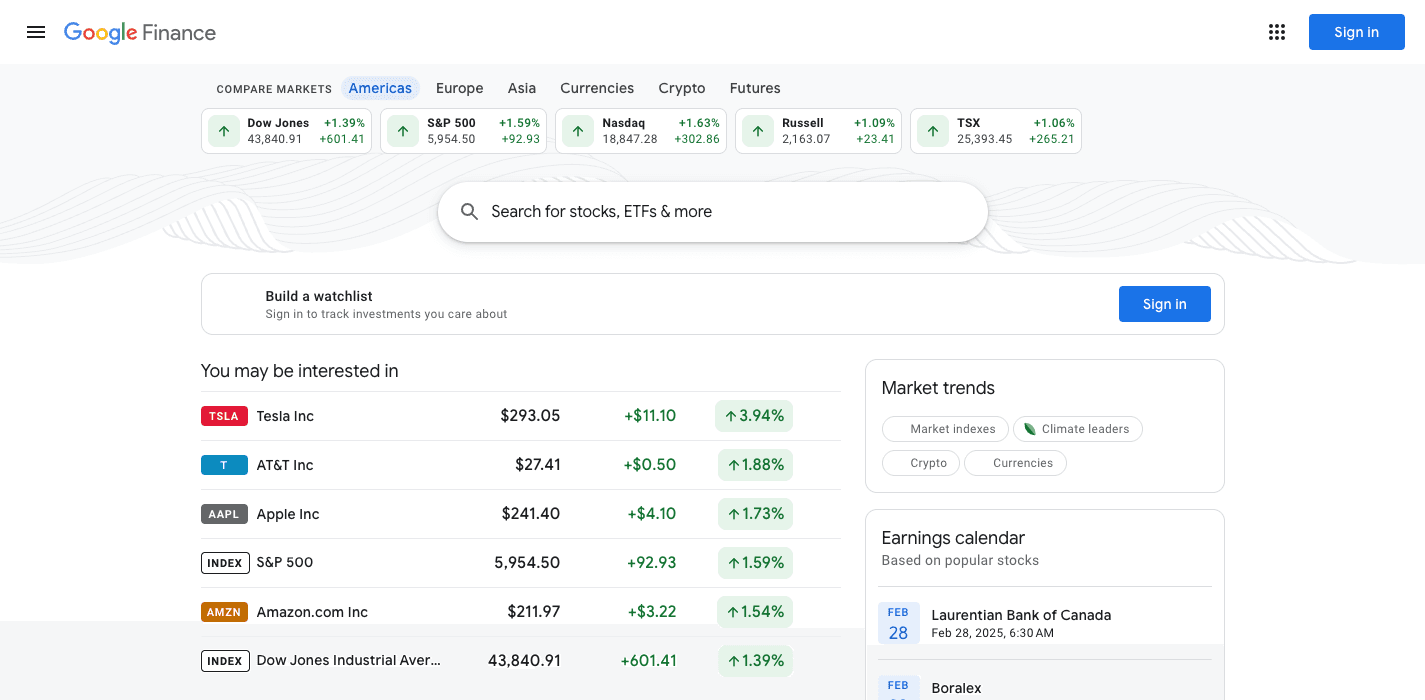
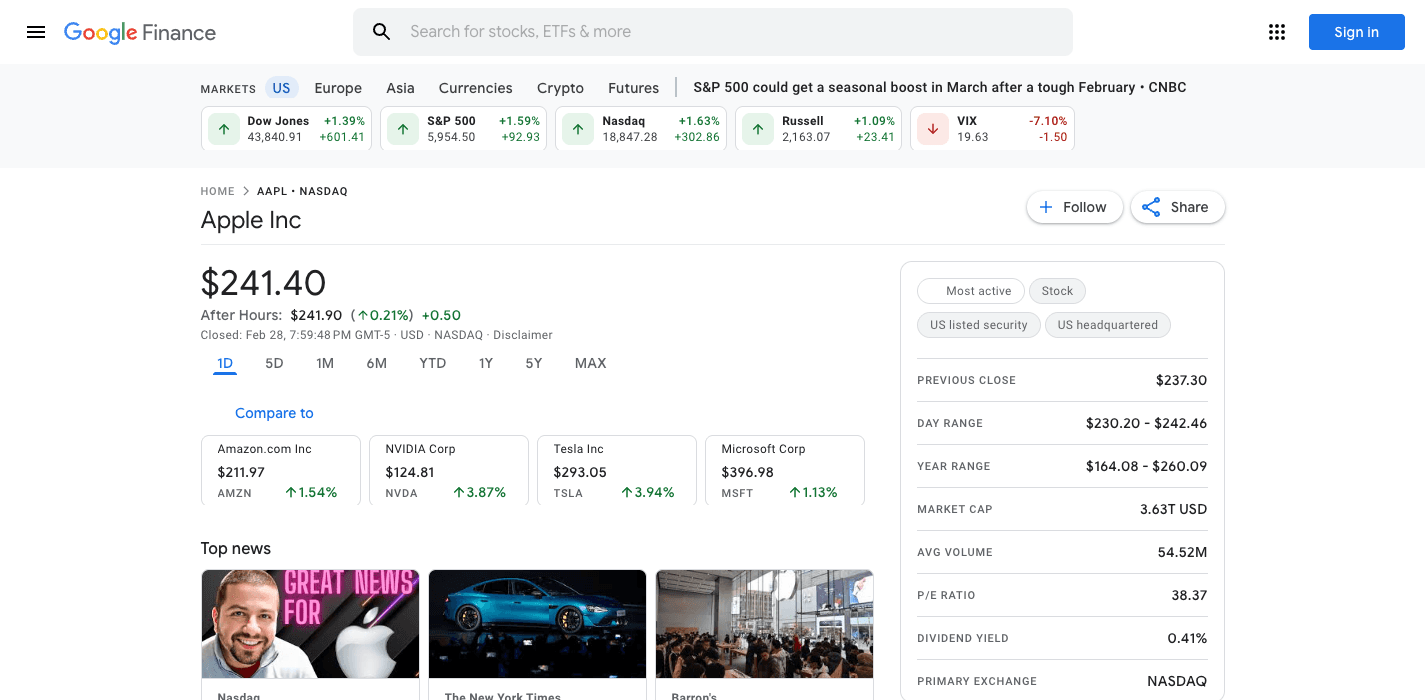
The old Google Finance was finished software. Two decades of iteration had converged on a page with nothing left to remove: price, chart, stats, news, in the order you wanted them. In modern product culture, finished reads as stagnant. A team has to be working on something. But users do not experience a stable tool as stagnation. They experience it as reliability.
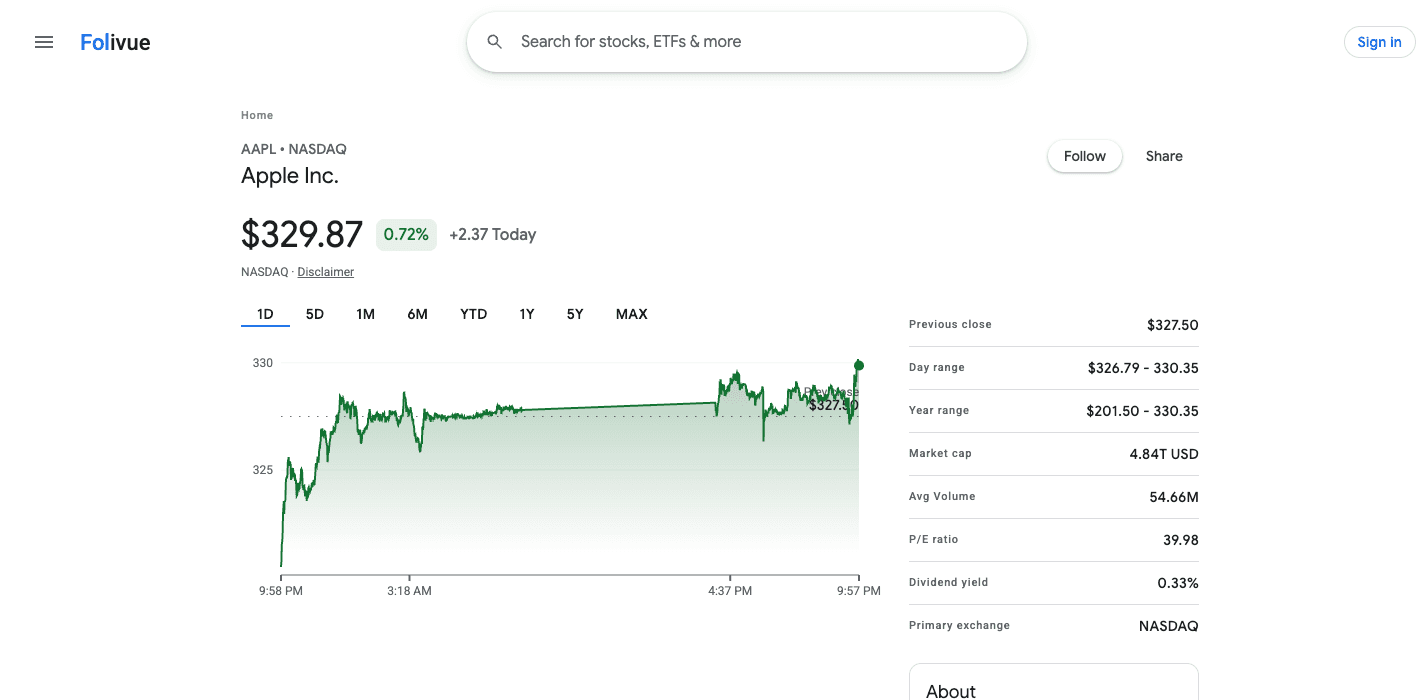
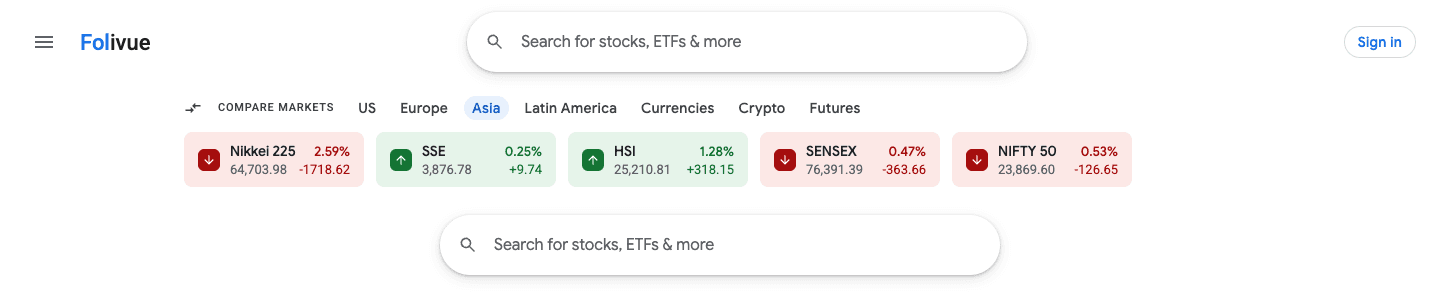
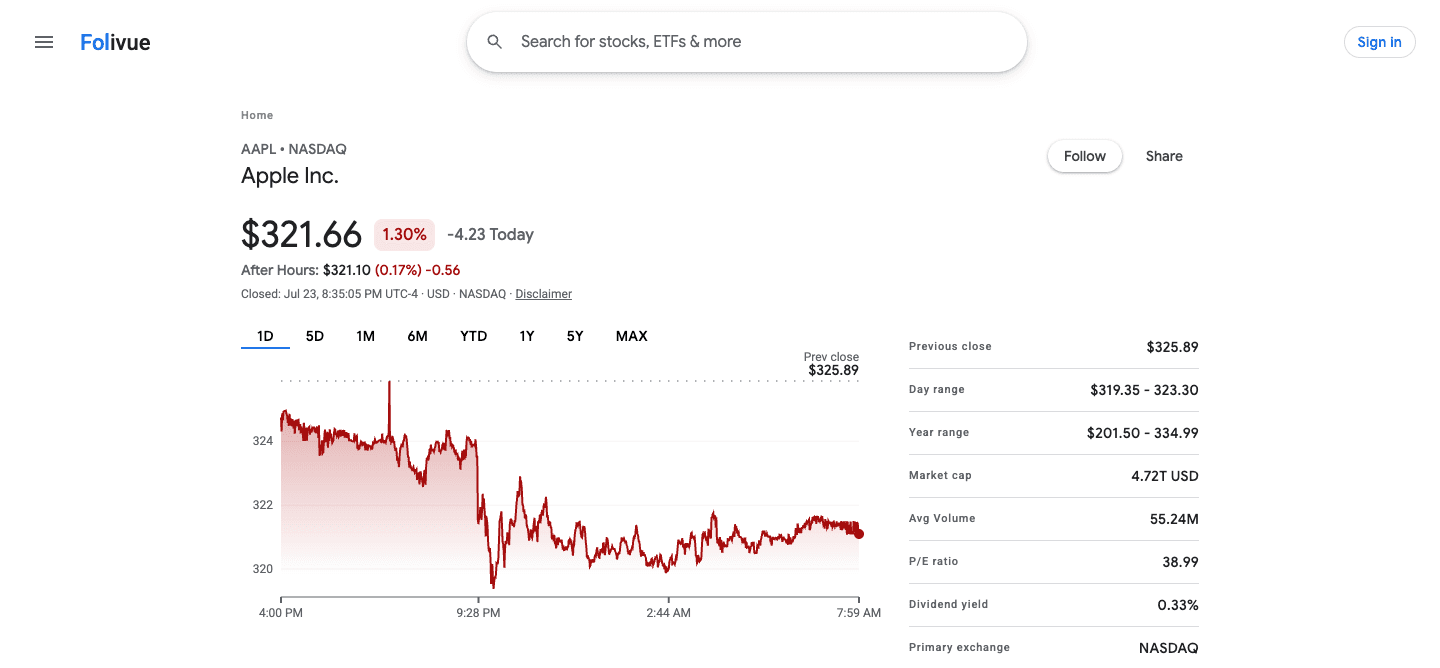
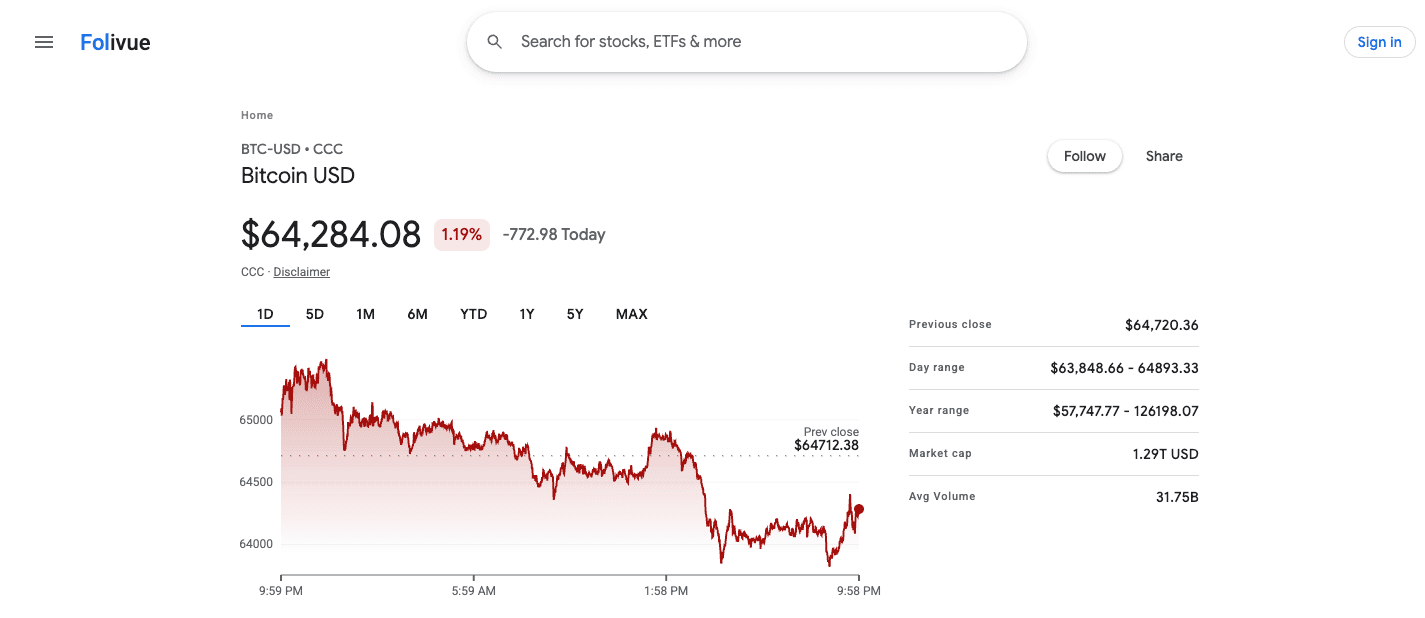
Change is not progress by default. Sometimes the previous version was simply better, and the grown-up response is to keep it alive. Google will not do that, so Folivue does: the old design, rebuilt faithfully, with live data underneath.
Frequently asked questions
Why did Google change Google Finance?
Officially, to rebuild it around AI, in line with Google's company-wide strategy. The redesign rolled out from August 2025 and became the only version on July 23, 2026. It was not driven by user demand, and petitions and forum backlash followed.
Was anything wrong with the old Google Finance?
Functionally, no. It was fast, dense, and refined by twenty years of iteration. Its only flaw was strategic: it had no AI features to showcase.
Do companies really redesign products for internal reasons?
It is a widely discussed pattern in big tech, often called promotion-driven development: launches and metrics are rewarded, while maintaining a stable product is not. We cannot see inside Google, but the redesign fits that pattern.
What can users actually do about it?
Petitions exist and Google has rarely reversed a retired design. The practical option is a rebuild: Folivue recreates the old Google Finance with live data.